How does SureDone differ from Feedonomics in terms of core functionality?
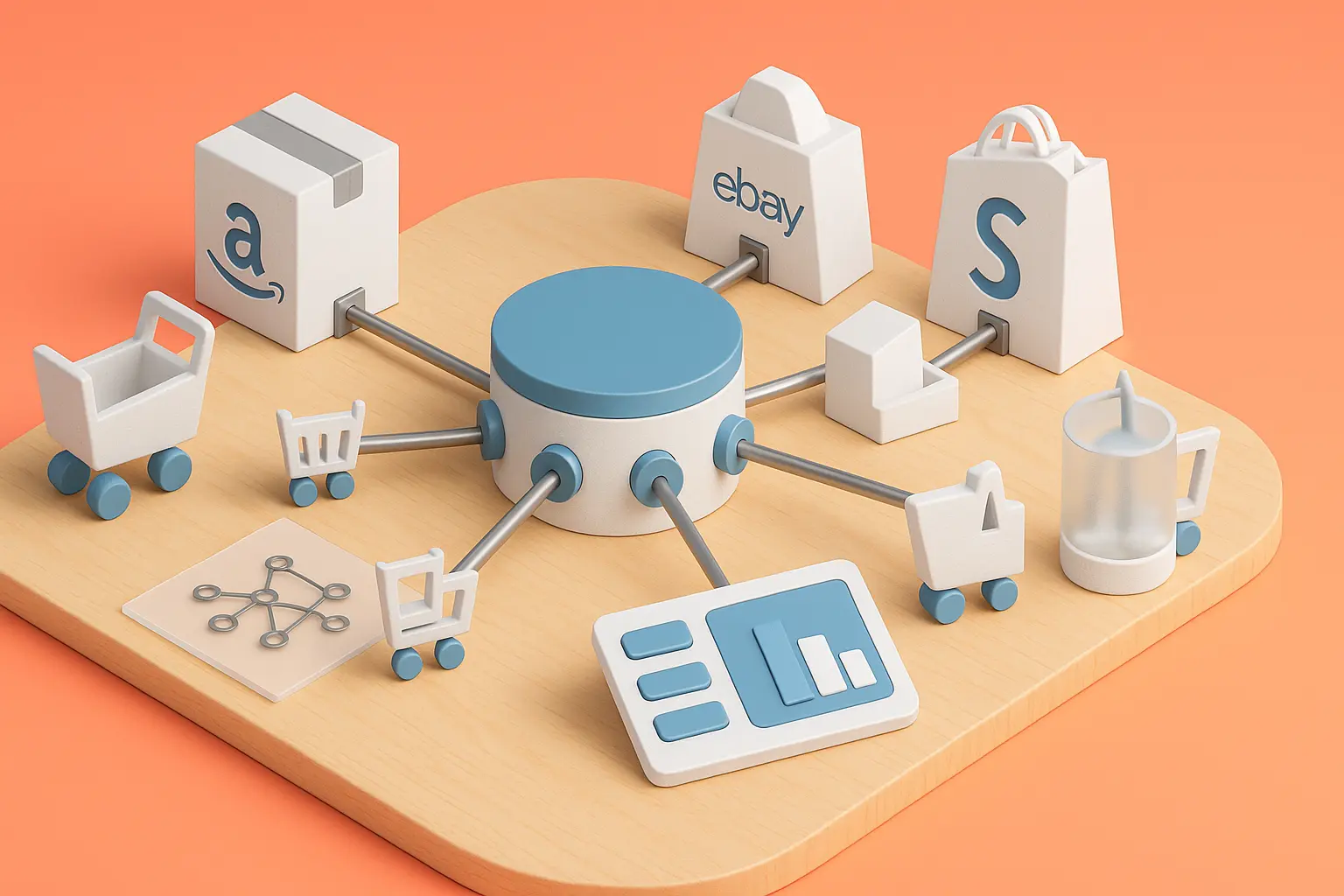
SureDone provides comprehensive multichannel management for marketplaces and shopping carts, while Feedonomics focuses primarily on product feed optimization and management for advertising through its managed services. This fundamental difference means SureDone creates a unified ecosystem for all your sales channels, while Feedonomics addresses a specific operational need. SureDone’s broader capability set includes advanced product management, sophisticated inventory control, complex order processing, and enterprise-grade automation that extends far beyond basic feed management functionality.
Can SureDone handle the same feed optimization capabilities as Feedonomics?
Yes, SureDone includes powerful feed optimization capabilities as part of its comprehensive platform. While Feedonomics specializes exclusively in feed management, SureDone provides similar optimization features within a broader operational context. This means you can achieve the same feed quality and performance without sacrificing the integrated operational capabilities that drive business growth. SureDone’s approach eliminates the need for multiple specialized tools by providing feed optimization alongside complete multichannel management.
How does SureDone's automation compare to Feedonomics'?
Feedonomics offers automation focused primarily on feed optimization via its managed services and distribution, while SureDone provides enterprise-grade automation capabilities through our sophisticated Automation Engine but leverages your team to optimize product information. SureDone’s automation includes conditional logic, complex event triggers, and comprehensive system integration that can transform every aspect of your operations. This means you can automate complex workflows that extend far beyond basic feed management, creating operational efficiency that directly impacts your bottom line.
Is SureDone more expensive than Feedonomics?
SureDone’s pricing reflects its enterprise-grade capabilities and comprehensive feature set. While the initial investment may be higher than Feedonomics’ specialized solution, businesses typically achieve a significantly lower total cost of ownership with SureDone due to reduced manual processes, eliminated need for multiple specialized tools, and prevented costly platform migrations as your business grows. Our pricing is based on a combination of GMV ranges and how many updates you do to your data in a month.
How difficult is it to migrate from Feedonomics to SureDone?
SureDone provides comprehensive migration assistance to ensure a smooth transition from Feedonomics. Our implementation team has extensive experience migrating businesses from specialized platforms to our enterprise-grade solution, with established processes for transferring product data, feed configurations, and channel connections. Most migrations are completed within 2-8 weeks, depending on complexity, with minimal business disruption. The long-term benefits of migrating to a more capable platform typically far outweigh the short-term investment in transition.
Can SureDone handle the same marketplace connections as Feedonomics?
Yes, SureDone connects to all major marketplaces and shopping channels that Feedonomics supports, plus additional platforms that may not be available through Feedonomics. SureDone’s native connections ensure reliable performance and comprehensive data synchronization across all channels. For channels not natively supported, SureDone’s Automation Engine can create custom connections—often with more sophisticated capabilities than standardized integrations.
How does SureDone's scalability compare to Feedonomics for growing businesses?
SureDone’s enterprise-grade architecture is designed for scalability, handling millions of SKUs and thousands of daily orders without performance degradation. We are one of the only enterprise e-commerce operations platforms to support implementing dedicated servers for individual customers as they grow. Our architecture gives every customer their own database as opposed to intermingling your data with others, resulting in significantly higher security and more efficient and effective scaling. Businesses that anticipate growth beyond basic feed management typically find SureDone’s scalability creates significant long-term advantages.
Does SureDone offer the same level of support as Feedonomics?
No. SureDone provides dedicated account management for Enterprise customers. Our support team has deep expertise in multichannel operations and can provide guidance beyond basic platform functionality. Feedonomics offers full-service managed services for their specialized solution, SureDone’s support model is designed for businesses that consider their e-commerce platform a mission-critical system requiring comprehensive assistance. Many of our customers co-exist and leverage both platforms.
Can SureDone integrate with my existing systems like Feedonomics?
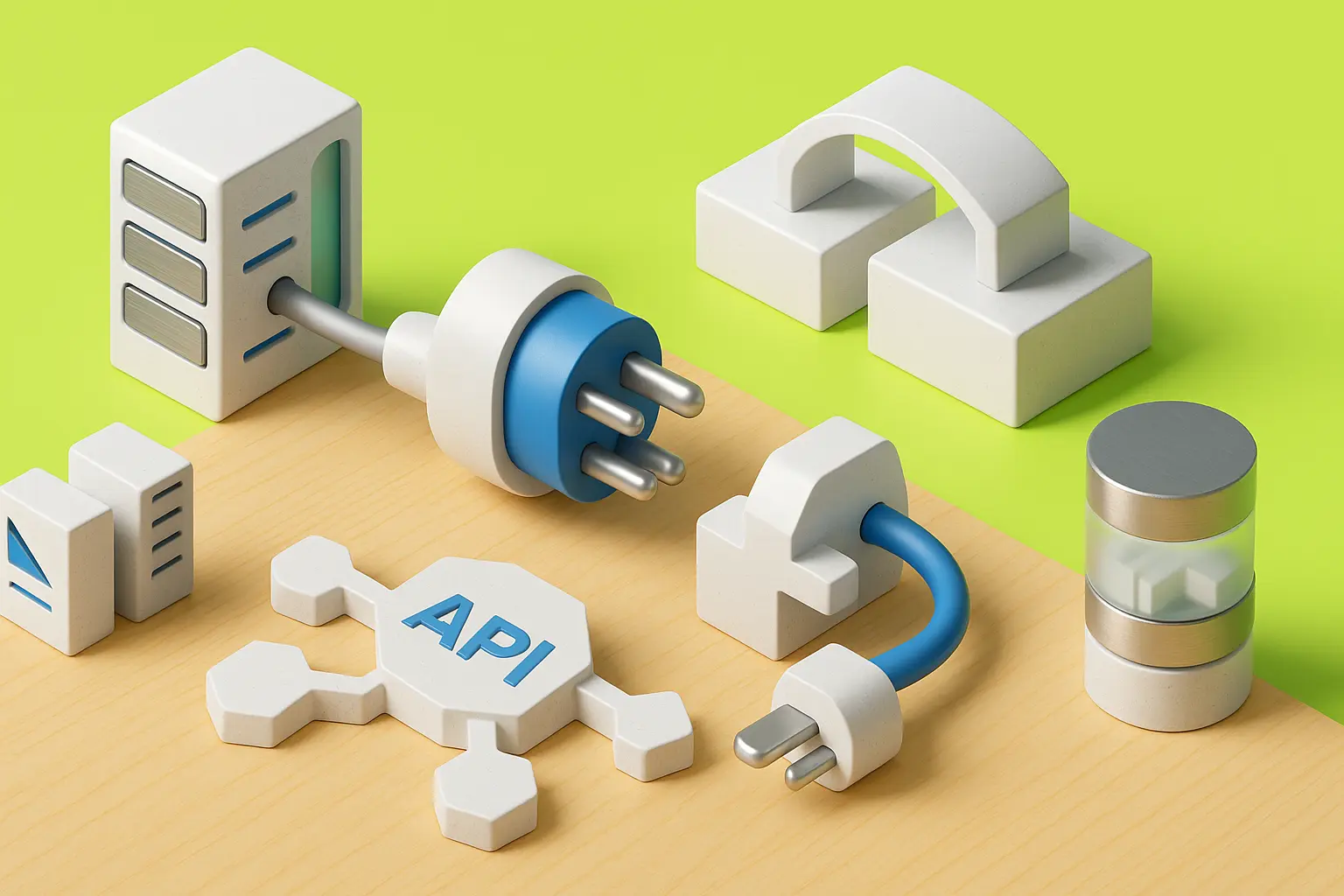
SureDone’s middleware architecture and comprehensive Open API create seamless integration with virtually any operational system including ERPs, WMS solutions, accounting platforms, and custom applications. This integration capability typically exceeds what’s possible with Feedonomics’ more focused approach, allowing you to preserve established processes while eliminating data silos. SureDone’s integration flexibility means you can create a unified ecosystem that connects all aspects of your business rather than forcing compromises to accommodate platform limitations.
Which platform is better for businesses primarily focused on feed optimization?
For businesses exclusively focused on feed optimization with limited operational requirements and no plans for expansion to direct marketplace selling or more complex operations, Feedonomics may provide a more specialized solution. However, businesses that anticipate growth beyond basic feed management or require more sophisticated capabilities even within a feed optimization model typically find SureDone’s comprehensive approach creates significant advantages. The decision often comes down to whether you view feed management as your entire strategy or as one component of a broader multichannel approach. As mentioned before, many enterprises choose to use both platforms to supplement each other.